You don’t have to be rich…
For children living in disadvantaged areas, extracurricular activities aren’t always accessible; after all, not everything in life comes for free.
As a parent, it’s almost second nature to want to give your child everything you possibly can, but what if you don’t have the funds to do so?
The majority of Schools indeed excel themselves in providing out of school pursuits (such as joining sports teams and participating in school trips). Still, these are often costly endeavours, requiring up-to-date sports kit and equipment, not to mention money to cover travel costs. So how is it possible for a child from a disadvantaged area to remain happy and active? What is being done to stop the social exclusion of this nature?
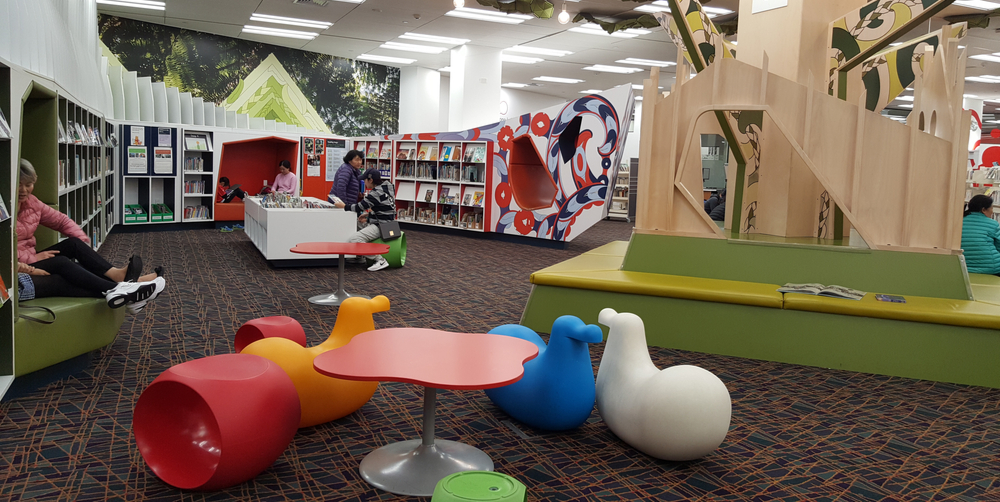
- Local churches, organisations and community centres often provide indoor and out outdoor activities for children from any background to get involved in.
An example of this is the opportunity for children to join Scout or Girl Guide groups (like “Cubs” for boys and “Rainbows” for Girls). Guide and Scout groups work to improve the basic survival skills that children need (such as cooking, cleaning and basic house chores) with rewards given to the children for their progress.
See: www.girlguiding.co.uk/rainbows
Alternatively: www.scouts.org.uk/cubs
- Various different charities work with the specific intent to give disadvantaged children the same opportunities as other children.
Project Happy Child is an organisation that works with local councils and promises to provide adventure playgrounds for children, saying they are; “a local place for children to call their own, dig and climb, play games, build den’s and meet friends”. These adventure playgrounds are placed in (what are considered) disadvantaged areas to give underprivileged children the same opportunities as others.
For more information on Project Happy Child, visit: www.happychild.org.uk
Another organisation working to restore equality amongst children from different backgrounds is Access Sport. Access Sport works with disadvantaged children, inviting them to join various sports teams (including running and swimming teams) at no cost, promising to “transform lives through sport”.
See: www.accesssport.co.uk
As well as organisations and charities, there are incentives provided by institutions such as schools (and even supermarkets) that aim to keep children active without the expense of doing so. For example, some supermarkets offer the opportunity for parents to collect coupons to give to schools, for them to get free sports kits and equipment. In turn, meaning parents are not required to pay for equipment themselves.
Comments are closed.